
Currencies move together
Correlation measures how closely two pairs move together, on a scale from +1 to −1. Correlations shift over time, so treat them as a guide, not a rule.

Correlation measures how closely two pairs move together, on a scale from +1 to −1. Correlations shift over time, so treat them as a guide, not a rule.

EUR/USD and GBP/USD often move in the same direction, because both are priced against the US dollar. Buy both and you haven't made two separate trades. You have largely made the same bet twice.

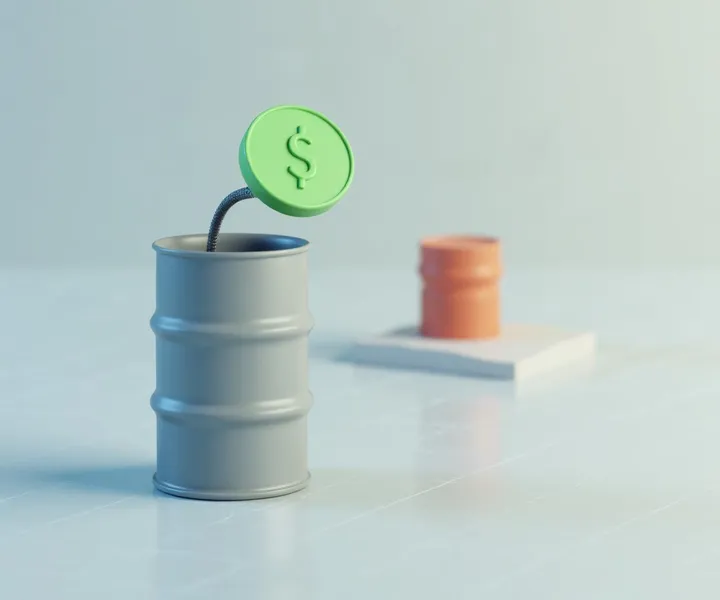
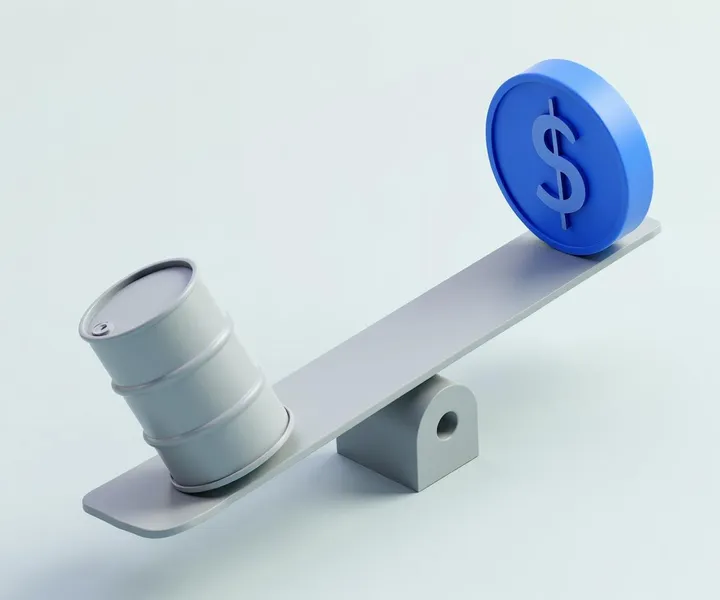
Some currencies track the price of what their country exports. The Canadian dollar often follows oil. The Australian dollar tends to track iron ore and gold. The New Zealand dollar reacts to dairy prices.
Watching the commodity can help explain moves in the currency.

EUR/USD and USD/CHF often move in opposite directions, because the US dollar sits on opposite sides of the two pairs.
Being long both can mean one position largely cancels the other, so you pay two spreads for very little net exposure.

Several positions in correlated pairs can be one large position in disguise. Each trade may risk 1%, but if they all depend on the US dollar, one dollar move can hit them all at once.

Diversification only works if the positions genuinely differ.